

News
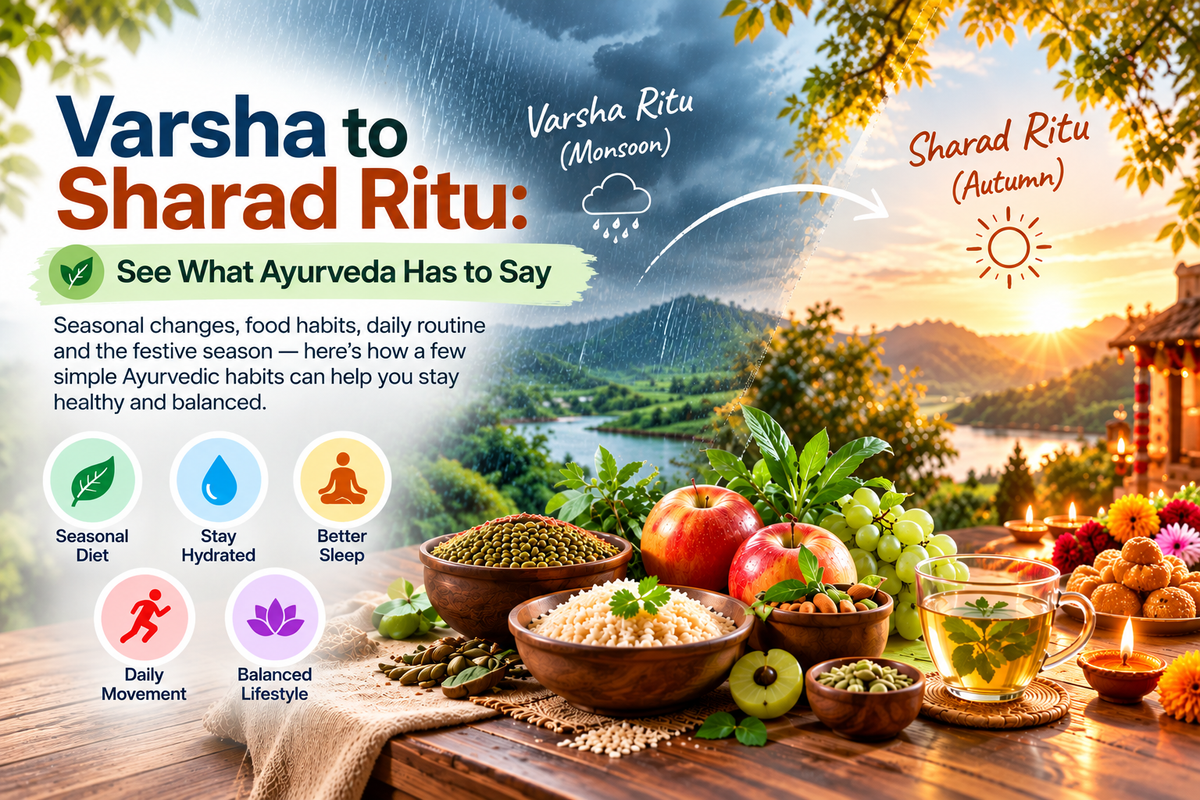

Why You Feel Tired and Fall Sick More Often in September
The rain is still around, but things are starting to change. That morning walk you kept postponing because of the rain, the late nights you had to push aside and settle for another cup of chai, the Pakoras, and sudden change in what you're craving to eat. Someone in the house must have caught a cold, cough, or fever, and soon everyone will start taking turns feeling under the weather. Then there's this strange fatigue. Not that you can't sleep for a week sort of thing. More like draining your energy and making you feel like you don't have enough. For many, September is when this sort of thing starts. Its the month when the monsoon starts to ease off in different parts of India, and the weather starts to shift. Your environment and your daily habits are changing. The problem is when we continue our lives as normal. This is when the September slump can occur. Why September Can Leave You Feeling Worn Out September is a special month. The heavy rains may be easing off, but we still may experience high humidity. The temperatures begin to change, with warm days and cool nights. After months of staying indoors, your activity levels may also differ greatly than before the monsoon. All this can have an impact on your well-being. Also, seasonal changes can often coincide with infection trends. The influenza trends in India can vary greatly by region, but many studies show that the rate of influenza spikes in and around the monsoon, and more specifically, July to September in many regions. If you feel that September is a time when all of your close ones are recovering from an infection or complaining of fatigue, you're not imagining things. But infections are just a part of the equation. You May be Carrying Monsoon Habits Into a New Season Think back to the past months. Did you exercise less regularly because of the rain? Did your bedtime gradually get later with the passage of time? Did chai become your go-to solution for an afternoon energy slump? Did you start indulging in more fried and comfort foods because it felt like the right thing to do on rainy evenings? None of this is bad, the problem is when these temporary habits seamlessly transition into your normal routine. September is when your body begins to crave a new routine. You may not need a massive change in your health status, but perhaps just start adjusting your routine again. Go out when the weather permits. Get movement back into your life. Eat on time. Be wary of your sleep. Small changes can produce a surprisingly positive effect when your routine has been out-of-sync for months. Sometimes, Fatigue Has to do With Nutrition There is another factor to consider when fatigue lingers, and that is not getting enough of certain nutrients on a daily basis. Iron and vitamin B12 are essential to having enough energy and normal red blood cell function. Deficiency in these can cause tiredness and weakness. This doesn't mean that every instance of fatigue is due to a deficiency, or that you should run straight to a supplement store. Your overall diet is more important than any single nutrient. Try to get a variety of foods such as leafy greens, pulses, beans, whole grains, nuts, seeds, dairy, and other appropriate sources based on your dietary preferences. If persistent fatigue continues despite resting and a well-balanced diet, it's wise to consult a healthcare professional instead of assuming you need a supplement. Your Routine Needs to Adapt With the Season A common mistake we make when transitioning from one season to another is expecting our routine to stay the same. It shouldn't. The routine that worked well for you during peak monsoon may not work as well as the weather begins to change. This is a great time to re-establish some consistency.Go to bed and wake up at the same time every day. Get some morning sunlight. Make movement a part of your routine instead of waiting for good weather. If you've been spending most of your free time indoors, start to get back outside.You don't need to suddenly jump-start into an hour-long workout every morning. A 20-30 minute walk is a great place to start.The most important thing is that you stop letting the weather dictate your entire routine. Don't Underestimate Sleep When life can get busy, sleep is the first thing that can get compromised. Just another episode. Another email. Another scroll. Then morning comes. Adults need around seven to nine hours of sleep, but consistency is key. Going to bed at wildly different times throughout the week can leave you feeling tired, even if you technically got enough hours of rest. September is a great month to rebuild your sleep schedule. Aim for a reasonably consistent bedtime, limit screen-time before bed, and avoid working late nights as a regular habit. Sometimes the best way to boost your energy is to just get enough sleep. Keep Hydrating, Even When You're Not Sweating Summer tells us the need for hydration. You feel hot, sweaty, and drink water. During the monsoon and early autumn, this can disappear. The weather feels cooler, but hydration is still essential. Make drinking water a part of your routine instead of waiting for when you feel thirsty. If you feel that water gets monotonous, soups, buttermilk, and water-rich foods can also be a source of your overall fluid intake. Just remember that tea and coffee shouldn't become your sole sources of hydration throughout the day. What You Eat In September Matters Too Seasonal changes aren't the time to rely on tea, biscuits, and whatever snacks you can find between meetings.Keep your meals simple and diverse. Fresh vegetables, fruits, pulses, whole grains, nuts, and seeds are the basis of a balanced diet. Make sure you get enough protein and avoid making highly processed or excessively fried foods a daily habit. This doesn't mean you can't have your Pakoras. The goal is not to make September into a month of restricting, but to restore some of the balance lost during the more relaxed eating habits that come with the monsoon. A few indulgent meals are part of life, but having every meal be an indulgence is a different matter. Support Your Immune System With the Essentials We often talk about immunity as if there is a certain food, drink, or supplement that can boost it. The reality is much less exciting. Everyday habits play a huge role in immunity. Getting enough sleep, eating a variety of foods, getting active, practising hygiene, and staying hydrated are all crucial to maintaining normal health. This is especially true during seasonal changes, when people often find themselves getting exposed to more infections due to work, school, travelling, and social interactions. You don't need a complicated immunity routine. What you need is consistency with the basics. When Tiredness Is More Than Just Tiredness There is a difference between feeling tired after a busy week, and feeling fatigued over no clear reason over weeks. If you find yourself consistently tired despite getting good sleep, or have fatigue that impacts your work, exercise, or daily life, don't just blame the weather. Chronic tiredness can have a number of causes, including poor sleep, stress, nutritional deficiencies, infections, and other health issues. Sometimes, the most sensible thing is to not look for another 'wellness trick' and figure out what's actually going on. A Simple Reset For September You don't need a complicated detox routine or a strict new routine. Start with some simple changes : Go to sleep at the same time. Get moving as a routine. Make sure you drink enough. Eat proper meals, not just incessant snacking. Diversify your meals with vegetables, fruits, pulses, whole grains, nuts, seeds, and other nutritious foods. Get out in the time-permitting. Be wary of how you actually feel. September is a transitional month, so let your routines transition as well. Feeling tired in September isn't just about the month itself. It can be due to everything that preceded it, such as disrupted sleep, altered activity levels, changes in eating habits, monsoon infections, stress, and weeks living differently than normal. The good thing is that you don't need to change your life entirely to feel better. As the season changes, reintroduce some structure into your daily routine. Eat well, sleep properly, get moving, drink enough, and let your body recover from the new season. Sometimes, regaining your energy is less about adding something new, and more about going back to the basics you may have quietly neglected. Frequently Asked Questions Why do I feel more drained in September?September brings changes in weather, routine, sleep, activity levels, and seasonal infections, all of which can contribute to feeling more fatigued than usual. Is seasonal change responsible for low energy?Yes, seasonal changes can have an impact on sleep, activity levels, eating habits, and exposure to infections, which can affect your energy levels. How can I boost my energy naturally?Start with the basics : get enough sleep, get regular movement, eat balanced meals, stay hydrated, and have a consistent daily routine. What should I eat when I'm feeling tired?Opt for balanced meals that include vegetables, fruits, pulses, whole grains, nuts, seeds, and adequate protein instead of heavily-sugared or processed foods. Can lack of sleep make me feel fatigued all day?Yes, not enough sleep or an inconsistent sleep schedule can make you feel drained. How much water should I drink daily?Fluid needs vary from person to person, and depend on your weight, level of activity, and diet. It's a good idea to drink regularly throughout the day, instead of waiting for when you feel dehydrated. When should I take persistent fatigue seriously?If you feel fatigued for several weeks, your fatigue worsens, or it's starting to impact your daily activities despite getting enough rest, it's wise to consult a healthcare professional.
Learn more
Independence Day Special: 5 Ayurvedic Daily Habits for Better Health
Every year on Independence Day, we celebrate the freedom that our country achieved. But freedom can also make us think about the choices we make in our own lives. Are we truly free from the habits that quietly affect our health? Modern life has made many things easier. Food is available at the click of a button, work can continue from almost anywhere, and entertainment is always within reach. But convenience can also bring habits that may not always support our wellbeing - irregular meals, long hours of sitting, excessive screen time, processed foods, excess sugar and inadequate sleep. This doesn't mean we need to completely change our lifestyle or give up everything we enjoy. Sometimes, better health begins with something much simpler: Making better choices, consistently. This Independence Day, let's think beyond freedom as something we celebrate once a year. Let's also think about becoming more independent in the way we understand, manage and care for our health. What Does "Health Independence" Really Mean? Health independence doesn't mean managing every health concern on your own or avoiding doctors and medicines. It means becoming more aware of your body, understanding your health needs, asking better questions and taking responsibility for the everyday choices that influence your wellbeing. It can be as simple as: Choosing a balanced meal instead of relying on processed food every day Moving your body instead of sitting continuously for hours Paying attention to recurring symptoms instead of ignoring them Understanding what goes into the products and foods you consume Seeking professional guidance when something doesn't feel right In other words, health independence is about informed choices-not isolation from healthcare. What Does Ayurveda Say About a Healthy Daily Routine? One of the important concepts in Ayurveda is Dinacharya, or a daily routine. Ayurveda places considerable importance on regularity in everyday activities such as eating, sleeping, personal care and movement. The underlying idea is simple: our bodies benefit from rhythm and consistency. Regular meals, adequate sleep, appropriate physical activity, mindful eating and good digestion can form the foundation of a sustainable routine. Ayurveda also recognises that lifestyle shouldn't be identical for everyone. Factors such as the season, environment, age, individual constitution and personal needs can influence what works best for a person. That is why a sustainable health routine should be personal, practical and consistent. 5 Simple Ayurvedic-Inspired Habits for Better Health You don't need to transform your entire lifestyle overnight. Start with a few habits that you can realistically follow. 1. Start Your Morning Mindfully Your morning routine can influence how you approach the rest of the day. Instead of immediately reaching for sugary drinks or spending the first few minutes scrolling through your phone, start your day calmly. A simple glass of water can be a good beginning. If tea or coffee is part of your routine, consider pairing it with a nutritious breakfast rather than making it the only thing you consume in the morning. The goal isn't to create a complicated morning ritual. It's simply to start the day with intention. 2. Make Movement Part of Your Day You don't necessarily need an intense workout to become more active. Small amounts of movement throughout the day can make a difference to an otherwise sedentary lifestyle. A gentle walk after a meal, taking the stairs when appropriate, stretching between long periods of sitting or simply walking around during work breaks can help make movement a natural part of your routine. If you spend several hours at a desk, try not to remain seated continuously for long periods. Movement doesn't have to be complicated to become a habit. 3. Build a More Balanced Plate Healthy eating isn't about eliminating one particular food group or following every diet trend you see online. Instead, focus on creating balanced meals that provide a variety of nutrients. Depending on your individual dietary needs, a meal can include appropriate portions of: Protein-rich foods Fibre-rich carbohydrates and whole grains Vegetables Seasonal fruits Healthy sources of fats Pay attention to portions and try to eat mindfully rather than eating in front of a screen whenever possible. Ayurveda also places importance on Aahar, or food, and encourages attention to what we eat, how we eat and how food fits our individual needs. The objective isn't perfection. It’s staying consistent. 4. Give Your Sleep a Regular Rhythm Sleep is often one of the first things we sacrifice when life gets busy. Late-night work, endless scrolling and irregular schedules can gradually become normal. Instead of trying to suddenly change everything, start by creating a sleep routine that you can realistically maintain. Try to keep your sleeping and waking times reasonably consistent. Reduce unnecessary screen time before bed and create an environment that helps you wind down. Good sleep is not a luxury. It is an important part of taking care of your body and mind. 5. Eat With the Season and Your Individual Needs in Mind Our food choices don't always have to be complicated. Traditional Indian diets have long included seasonal foods and a wide variety of ingredients. Depending on your individual needs and dietary tolerance, traditional foods such as vegetables, fruits, whole grains, fermented foods and commonly used spices can be part of a balanced diet. Ayurveda also considers Ritu, or seasonal changes, when discussing diet and lifestyle. However, there is no single traditional food or drink that is right for everyone. Instead of blindly following health trends, understand your own needs and choose foods that work well for you. Traditional wisdom works best when combined with awareness and individualisation. You Don't Need to Change Your Life Overnight One of the biggest mistakes we make when trying to improve our health is trying to change everything at once. A new diet. A new workout. A new sleep schedule. Multiple supplements. And a long list of rules. After a few weeks, the routine becomes difficult to maintain. Instead, start small. Maybe begin with a better breakfast. Then add a short daily walk. Then work on your sleep schedule. Then become more mindful about what you eat. Healthy living is not about doing everything perfectly. It's about making better choices more often. Health Independence Is About Asking Better Questions We live in an age where health information is everywhere. One person says carbohydrates are bad. Another says you should eliminate sugar completely. Someone recommends fasting. Someone else recommends a particular supplement. Social media can make it difficult to separate useful information from misinformation. This is why health independence also means learning to ask questions: What is the evidence behind this claim? Is this appropriate for me? Does this fit my lifestyle? Do I actually need this? Should I speak to a qualified healthcare professional? Being health-conscious doesn't mean believing every health trend. It means becoming a more informed consumer of health information. This Independence Day, Choose Better Habits Independence is often associated with freedom from external control. But perhaps there is another kind of freedom worth thinking about. The freedom to make informed choices. The freedom to understand our bodies. The freedom to question health misinformation. The freedom to choose nourishing food more often. You don't need to become a completely different person to become healthier. You don't need to follow every wellness trend. Sometimes, independence begins with one small choice-and the consistency to repeat it tomorrow. This Independence Day, while we celebrate the freedom of our nation, let's also think about the freedom we owe ourselves: the freedom to make better choices for our health, one day at a time. Frequently Asked Questions 1. What is Dinacharya in Ayurveda? Dinacharya refers to a daily routine described in Ayurveda, and everyday practices such as eating, sleeping, personal care and other lifestyle activities. The specific routine may vary depending on an individual's needs and circumstances. 2. What are some simple Ayurvedic habits for everyday health? Simple habits inspired by Ayurvedic principles can include maintaining regular meal and sleep timings, eating mindfully, staying physically active, choosing appropriate seasonal foods and paying attention to digestion and overall wellbeing. 3. Does following an Ayurvedic lifestyle mean completely changing your modern lifestyle? No. Ayurvedic lifestyle principles can be adapted to modern life. The goal is not necessarily to abandon your existing routine, but to make sustainable changes that support your health and wellbeing. 4. Why is consistency important for healthy habits? A healthy habit is more likely to become sustainable when it fits naturally into your everyday routine. Making small changes that you can maintain over time is generally more practical than making extreme changes that are difficult to continue. 5. Is there one Ayurvedic diet that is suitable for everyone? No. Dietary needs can vary depending on factors such as age, health status, lifestyle, food preferences, individual tolerance, environment, and other personal circumstances. If you have a health condition, seek advice from a qualified healthcare professional. 6. Is a short walk after meals beneficial? A gentle walk after a meal can be an easy way to incorporate movement into your daily routine. The appropriate duration and intensity depend on your fitness level and health status. People with specific medical conditions should follow their healthcare professional's advice. 7. Can Ayurvedic practices replace medical treatment? Ayurvedic lifestyle practices should not be used as a replacement for necessary medical diagnosis or treatment. If you have a health condition, take prescribed medication or consult a healthcare professional. 8. How can I start a healthier daily routine? Start with one or two realistic changes rather than trying to change everything at once. Once these habits become comfortable, gradually build on them. Final Thought Health independence doesn't mean doing everything yourself. It means understanding your choices, taking care of your everyday habits, knowing when to ask for help and making decisions that support your long-term wellbeing. This Independence Day, perhaps the most meaningful change, isn't a dramatic one. It is one small, healthier decision today-and another one tomorrow. Happy Independence Day from NatAyush.
Learn more
The Ayurvedic Approach to PCOS: Why Hormone Balance Starts in the Gut
The Ayurvedic Approach to PCOS: Why Hormone Balance Starts in the Gut If you're one of the millions of women navigating the complex world of Polycystic Ovary Syndrome (PCOS), you're likely familiar with the frustrating cycle of symptoms: irregular periods, weight gain, fatigue, acne, and unwanted hair growth. You may have tried countless solutions targeting your hormones directly, only to find temporary relief. What if we told you the key to unlocking lasting hormone balance isn't found in a single hormone, but in a place, you might not expect—your gut? Ayurveda, the 5,000-year-old science of life, teaches us that true health is built on a foundation of strong digestion. For women with PCOS, this ancient wisdom offers a revolutionary and profoundly effective perspective: to heal your hormones, you must first heal your gut. The Gut-Hormone Connection: The Ayurvedic Perspective In Ayurveda, a healthy digestive system is governed by Agni, or digestive fire. Think of Agni as a metabolic furnace. When it's strong, it efficiently converts food into energy, nourishing your tissues and producing clear, balanced hormones. When Agni is weak, something else happens. Incompletely digested food forms a sticky, toxic substance called Ama. Ama is like metabolic sludge that clogs your channels of circulation, including the delicate systems that regulate your endocrine function. This is the core of the PCOS puzzle: 1. Weak Agni & Poor Diet: Leads to the formation of Ama. 2. Ama Accumulation: This sludge travels through the body and settles in weaker areas, often the reproductive tissues. 3. Channel Blockage: Ama blocks the subtle channels (srotas) that carry hormonal signals, particularly those related to the ovaries and pancreas. 4. Insulin Resistance & Hormonal Chaos: This blockage disrupts communication, leading to insulin resistance. High insulin levels then trigger the ovaries to produce excess androgens (male hormones), which cause the classic symptoms of PCOS. Therefore, acne, irregular cycles, and hair loss are not the root cause; they are the symptoms. The root is often a digestive system that needs resetting and rejuvenating. The Three Pillars of an Ayurvedic Gut-Healing Protocol for PCOS Rebalancing your gut, and by extension your hormones, revolves around three core principles: 1. Ignite Your Digestive Fire (Agni) This is the first and most crucial step. It's about moving from a state of sluggish, incomplete digestion to a state of strong, efficient metabolic power. How? Start your day with a glass of warm water with a squeeze of lemon and a thin slice of fresh ginger. This simple ritual wakes up Agni.Eat Mindfully: Eat your meals at regular times in a calm environment. Chew your food thoroughly—digestion begins in the mouth!Choose Warm, Cooked Foods: Favor warm, spiced, and easily digestible meals over cold, raw, or processed foods, which can extinguish Agni. 2. Clear the Sludge (Remove Ama) Once Agni is strong, we must clear out the existing toxins that are clogging your system. This reduces inflammation and allows your body's natural intelligence to restart. How? Incorporate detoxifying herbs and foods. Turmeric, ginger, and cumin are excellent kitchen allies.Stay Hydrated: Sip on warm water or herbal teas like ginger or fennel throughout the day to help flush toxins.Prioritize Sleep: Your body does its deepest cleansing and repair while you sleep. A consistent sleep routine is non-negotiable. 3. Nourish & Rebuild with Herbal Support This is where the profound intelligence of Ayurvedic herbs comes in. Specific herbs are chosen not just to manage symptoms, but to systematically correct the underlying digestive and metabolic dysfunctions of PCOS. How NatBliss Ayurvedic Formulations Support Your PCOS Journey Natbliss crafts powerful, 100% natural formulations based on these exact Ayurvedic principles. They are designed to work synergistically to rebuild your health from the gut up. 1. Gut Care Tablets (Herbal Indigestion Control Tablets) This isn't just an antacid. This is a comprehensive Agni-kindler and Ama-reducer in a tablet. How it Works: The powerful blend of Hing (Asafoetida), Ajwain (Carom Seeds), and Chitrak acts like a spark to your digestive fire, ensuring food is converted into energy, not toxins. Amla provides a boost of Vitamin C to repair the gut lining, while Jeera (Cumin) and Sunthi (Dry Ginger) reduce inflammation and cramping.Key Benefit: It tackles bloating, gas, and acidity directly while systematically strengthening your entire digestive process—the first step to hormone balance.Dosage: Take 1 tablet, twice daily, 30 minutes after meals for optimal absorption. 2. Digestive Care Juice (Herbal Gut Health Juice) A potent liquid detoxifier designed to cleanse the channels and support the liver, your primary detox organ that is crucial for processing excess hormones. How it Works: Bhringraj and Harad are renowned in Ayurveda for their ability to cleanse the liver and remove Ama from the tissues. Ginger and Trivrit work to gently cleanse the colon and improve motility, while Lemon and Chavya cut through sticky toxins and reduce inflammation.Key Benefit: It provides a deep, yet gentle, cleansing action, clearing the metabolic pathways so your hormonal signals can flow freely again.Dosage: Take 2 times daily (morning & evening), mixed with a small amount of water for best results. Embracing Gut Wellness: A Journey of Gentle Steps Embrace the power of strong digestion. Nourish your Agni, clear the channels, and provide your body with the herbal support it needs to thrive. Your hormones will follow. Ready to begin your gut-healing journey? Explore our specially formulated Gut Care Tablets and Digestive Care Juice to start addressing the root cause of your PCOS today.
Learn more
Ayurvedic Herbs That Support a Healthy Heart: Nature’s Path to Cardiovascular Wellness
Ayurvedic Herbs That Support a Healthy Heart: Nature’s Path to Cardiovascular Wellness The heart has always held a special place in human understanding—not just as a physical organ pumping blood, but as the symbolic center of life, emotion, and vitality. In our modern world, where stress, processed foods, and sedentary lifestyles have become commonplace, maintaining heart health is more important than ever. While contemporary medicine offers valuable interventions, Ayurveda provides a complementary approach that has stood the test of time, focusing on prevention, balance, and natural healing through herbs and lifestyle practices. Ayurveda views heart health through a holistic lens, considering not only the physical heart but also the emotional and spiritual aspects of cardiovascular wellness. According to this ancient system, the heart is governed by Sadhaka Pitta (which governs emotions) and Avalambaka Kapha (which provides physical structure). When these energies are in balance, the heart functions optimally. When they're disturbed, cardiovascular issues may arise. The beauty of the Ayurvedic approach lies in its use of natural herbs that work in harmony with the body's innate intelligence. These herbs not only address specific cardiovascular concerns but also support overall well-being, creating a foundation for lasting health. The Perfect Herbs for Healthy Heart: Arjuna (Terminalia arjuna) One of Ayurveda's most revered heart tonics, Arjuna has been used for centuries to support cardiovascular function. Modern research has begun to validate what Ayurvedic practitioners have long known—that Arjuna contains compounds that help strengthen the heart muscle, support healthy blood pressure, and maintain already normal cholesterol levels. The bark of the Arjuna tree is particularly valued for its ability to nourish and protect the heart without overstimulating it. Garlic (Allium sativum) This common kitchen ingredient has been celebrated across cultures for its cardiovascular benefits. Garlic contains allicin, a compound that studies suggest may help maintain healthy circulation and support the body's natural cholesterol regulation. Unlike some harsh interventions, garlic works gently with the body's systems, making it suitable for long-term use. Ashwagandha (Withania somnifera) While often associated with stress relief and energy, ashwagandha also offers significant benefits for heart health. As an adaptogen, it helps the body manage stress—a known contributor to cardiovascular issues. By supporting the nervous system and helping maintain healthy cortisol levels, ashwagandha indirectly but powerfully supports heart function. Guggul (Commiphora mukul) Derived from the resin of the mukul tree, guggul has been used in Ayurvedic practice for thousands of years to support healthy lipid metabolism. Contemporary studies have investigated its potential role in maintaining healthy cholesterol levels already within normal range. Guggul works by supporting the body's natural cleansing processes and promoting healthy circulation. Ginger (Zingiber officinale) This versatile root does more than add flavor to food—it contains gingerols and other compounds that support cardiovascular health through multiple pathways. Ginger helps maintain healthy circulation, supports normal inflammatory responses, and aids digestion—all factors that contribute to overall heart health. Triphala This traditional blend of three fruits—amla, haritaki, and bibhitaki—supports heart health indirectly but significantly through its gentle cleansing action. By supporting healthy digestion and elimination, triphala helps prevent the accumulation of toxins that can burden the cardiovascular system. Lemon (Citrus limon) The humble lemon offers remarkable benefits for heart health. Rich in vitamin C and antioxidants, lemon helps maintain blood vessel elasticity and supports healthy circulation. Its natural compounds aid in cholesterol management and provide protection against oxidative stress. The flavonoids in lemon have been shown to support overall vascular health, making this citrus fruit a valuable addition to any heart-healthy regimen. Apple Cider Vinegar This traditional tonic has gained recognition for its potential cardiovascular benefits. Apple cider vinegar may help maintain healthy blood pressure levels already within normal range and support balanced cholesterol. Its acetic acid content appears to aid metabolism and circulation, while its alkaline-forming properties help create an internal environment conducive to heart health. Many find that incorporating apple cider vinegar into their daily routine supports overall cardiovascular wellness. Honey Nature's golden elixir, honey, offers more than just sweetness—it contains antioxidants and compounds that support heart health. Raw honey has been shown to help maintain healthy cholesterol balance and support circulation. Its natural enzymes and anti-inflammatory properties make it a valuable addition to heart-healthy formulations. When combined with other herbs, honey can enhance their bioavailability and effectiveness, making it an ideal base for many traditional Ayurvedic preparations. Incorporating Ayurvedic Herbs into Daily Life The effectiveness of these herbs depends largely on how they're incorporated into one's lifestyle. Ayurveda emphasizes that herbs work best when combined with proper diet, adequate rest, stress management, and appropriate physical activity. Many people find that combining several of these herbs creates a synergistic effect that supports cardiovascular health from multiple angles. Some traditional formulations combine arjuna with guggul for circulatory support, while others pair ashwagandha with ginger for overall vitality that indirectly benefits the heart. When considering herbal support, it's important to remember that quality matters. Herbs should be sourced from reputable suppliers who prioritize sustainable harvesting and proper processing to preserve their medicinal qualities. The traditional method of preparation can also affect potency and bioavailability—some herbs are more effective when processed according to Ayurvedic methods that have been refined over centuries. Lifestyle Practices for Heart Health While herbs provide valuable support, they work best when combined with heart-healthy lifestyle practices. Ayurveda recommends several daily habits that support cardiovascular wellness: 1. Mindful Movement: Regular, moderate exercise that respects your body's needs and limitations 2. Stress Management: Practices like meditation, pranayama (breathing exercises), and adequate rest 3. Heart-Healthy Diet: Meals that are fresh, seasonal, and appropriate for your constitution 4. Adequate Hydration: Drinking warm water throughout the day to support circulation 5. Quality Sleep: Ensuring sufficient restful sleep for recovery and rejuvenation Natbliss Modern Formulations for Traditional Wisdom Today, NatBliss have developed formulations that combine these traditional herbs in ways that make them accessible for modern lifestyles. These products often come in various forms, including juices that preserve the fresh qualities of the herbs and tablets that offer convenience for regular use. For those interested in exploring these traditional herbs, many find that formulations containing combinations like arjuna, guggul, ashwagandha, and triphala provide comprehensive support. Some modern preparations also include supporting ingredients like garlic, ginger, and lemon, which complement the primary herbs. When choosing such products, consumers should look for companies that transparently list their ingredients and use traditional preparation methods when appropriate. Dosage recommendations typically suggest taking these formulations once or twice daily, often before meals to enhance absorption.Natbliss Featured Products: Heart Wellness Formulations At Natbliss, we’ve harnessed the power of these Ayurvedic herbs into two unique formulations designed to support your heart naturally and effectively. 1. Heart Care Juice (Herbal Cholesterol Control Juice) Our Heart Care Juice is a potent blend of natural ingredients crafted to promote heart wellness from within. Ingredients: · Honey: Provides natural energy and enhances the bioavailability of other ingredients. · Garlic: Supports healthy cholesterol levels and arterial function. · Apple Cider Vinegar: Helps alkalize the body and improve metabolism. · Ginger: Boosts circulation and reduces inflammation. · Lemon: Rich in antioxidants, it aids in cleansing the circulatory system. · Ashwagandha: Helps manage stress, a common contributor to heart issues. · Triphala: Gently detoxifies and supports digestive health. · Arjuna: Strengthens the heart muscle and improves cardiac output. · Guggul: Promotes healthy lipid levels and blood flow. Dosage: Take 2 doses daily, one hour before breakfast and dinner for best results. 2. Heart Care Tablets (Herbal Cholesterol Control Tablets) For those seeking a convenient yet powerful heart health supplement, our Heart Care Tablets offer a synergistic blend of Ayurvedic herbs in an easy-to-take form. Ingredients: · Garlic: Helps maintain healthy cholesterol and blood pressure. · Ginger: Improves digestion and supports circulation. · Ashwagandha: Reduces stress and supports overall vitality. · Triphala: detoxifies and promotes metabolic balance. · Arjuna: Acts as a cardiac tonic, strengthening the heart. · Guggul: Supports healthy lipid levels and vascular health. Dosage: Take 2 tablets daily, one after breakfast and dinner. The Path Forward The journey to heart health through Ayurveda is one of gentle, consistent support rather than quick fixes. These time-tested herbs offer a way to work with the body's natural wisdom, supporting cardiovascular function while also promoting overall well-being. As with any health approach, it's important to consult with healthcare providers, especially for those with existing health conditions or those taking medications. When used wisely and consistently, Ayurvedic herbs can be valuable allies in maintaining a healthy heart and vibrant life. By embracing both the ancient wisdom of Ayurveda and modern understanding of heart health, we can approach cardiovascular wellness in a way that honors the complexity of the human body while utilizing nature's gentle, effective solutions.
Learn more
Why Adults 45+ Should Make Herbal Immunity a Daily Habit
Why Adults 45+ Should Make Herbal Immunity a Daily Habit As we age, our immune system naturally weakens, making us more vulnerable to infections, chronic fatigue, and slow recovery. For adults over 45, maintaining strong immunity is no longer optional—it’s essential for long-term health, energy, and vitality. Modern lifestyles—stress, pollution, erratic diets, and sedentary habits—further accelerate immune decline. While synthetic supplements offer temporary fixes, Ayurveda provides a holistic, long-term solution with natural herbs that rebuild immunity from within. In this blog, we explore:✔ Why immunity weakens after 45✔ How Ayurvedic herbs work better than synthetic vitamins✔ Two powerful herbal formulations to strengthen immunity daily✔ Simple habits to enhance immune resilience Why Does Immunity Decline After 45? 1. Thymus Gland Shrinkage The thymus (which produces T-cells) shrinks with age, reducing infection-fighting capacity. 2. Slower Cell Regeneration Healing and recovery slow down, increasing susceptibility to illnesses. 3. Digestive Weakness (Low Agni) Weak digestion leads to poor nutrient absorption, depriving the immune system of vital support. 4. Chronic Inflammation Low-grade inflammation (from stress, toxins, or poor diet) weakens immune response over time. 5. Hormonal Changes Menopause (in women) and andropause (in men) disrupt immune-balancing hormones. Solution? A daily herbal immunity routine that:✔ Boosts white blood cell production✔ Reduces inflammation✔ Enhances nutrient absorption✔ Protects against age-related immune decline Two Ayurvedic Powerhouses for Age-Defying Immunity 1. Immunity Booster Tablets (Herbal Chyawanprash Tablets) A concentrated, easy-to-take form of Chyawanprash—Ayurveda’s most revered immunity tonic—without the sugar. Key Ingredients & Benefits: · Cinnamon, Bay Leaf, Cardamom – Antiviral & warming, protect against seasonal infections. · White Musli & Salam Panja – Adaptogens that enhance stamina and stress resilience. · Long Pepper (Pippali) – Boosts lung immunity, critical for post-45 respiratory health. · Nagkesar & Banslochan – Cooling herbs that balance Pitta (inflammation). · Amla (Vitamin C Rich) – Rebuilds collagen, supports skin & joint health. · Saffron & Mukta Pishti – Neuroprotective, enhance mental clarity and calm. ✅ Dosage: Take 2 tablets daily, 30 mins after breakfast & dinner. 2. Herbal Multivitamin++ Tablets *A full-spectrum natural multivitamin with 40+ powerhouse herbs for cellular repair, energy revival & age-defying vitality* Comprehensive Ingredient Breakdown & Benefits: 1. Antioxidant & Cellular Protection Complex · Turmeric + Black Pepper – Curcumin with piperine boosts bioavailability by 2000%; reduces inflammation at DNA level · Amla – World's richest natural Vitamin C (20X more than oranges) for collagen synthesis · Moringa – Contains 92+ nutrients including rare zeatin (anti-aging compound) · Wheatgrass – Chlorophyll-rich blood purifier with complete amino acid profile · Spirulina – 60% plant protein with phycocyanin (stem cell protector) · Kokum – Garcinol content fights free radicals better than blueberries 2. Hormone & Metabolic Balancers · Ashwagandha – Reduces cortisol by 28% while boosting DHEA (Journal of Ethnopharmacology) · Shatavari – Phytoestrogen regulator for menopausal comfort · Safed Musli – Natural testosterone booster with steroidal saponins · Vidarikanda – Ayurvedic answer to human growth hormone support 3. Bone & Joint Rebuilders · Hadjod – "Bone setter" herb increases osteoblast activity by 31% · Laksha Guggulu – Resin-based calcium matrix for fracture healing · Gokshura – Silica-rich solution for connective tissue strength · Arjuna – Cardiac glycosides strengthen bones and arteries 4. Brain & Nervous System Nourishers · Brahmi – Doubles dendritic growth for enhanced neuroplasticity · Shankhpushpi – Acetylcholine booster for Alzheimer's prevention · Jyotishmati – Regenerates myelin sheath in nerve cells · Vach – Ayurvedic nootropic for Parkinson's support 5. Blood & Liver Detoxifiers · Giloy – Increases glutathione by 40% for heavy metal chelation · Bhringraj – Only herb proven to regenerate liver lobules · Kalmegh/Kutki – Phytoactive andrographolides flush liver fat · Punarnava – Dramatic reduction in creatinine levels 6. Heart & Circulation Enhancers · Pushkarmool – Natural beta-blocker alternative · Arjuna – Terminalia arjuna bark clinically shown to improve ejection fraction · Kalonji – Thymoquinone reduces arterial plaque 7. Rejuvenation & Longevity Herbs · Shilajit – Fulvic acid enhances mitochondrial ATP production · Kesar (Saffron) – Increases telomerase activity for cellular youth · Chyawanprash herbs – 2000-year-old rasayana formula ✅ Dosage: Take 1 tablet daily twice, 30 mins after a meal with lukewarm water. 5 Reasons Herbal Immunity Works Better After 45 1. Bioavailable Nutrients Synthetic vitamins often pass unabsorbed. Herbal vitamins come with natural co-factors (like black pepper with turmeric) for optimal absorption. 2. Whole-Body Balance Unlike isolated supplements, Ayurvedic herbs work synergistically—boosting immunity while supporting digestion, hormones, and nerves. 3. Gentle & Sustainable No harsh chemicals = no liver/kidney strain. Safe for long-term daily use. 4. Fights Chronic Inflammation Herbs like turmeric, and ashwagandha reduce inflammatory markers (CRP, IL-6) linked to aging diseases. 5. Adaptogenic Protection Herbs like shatavari and giloy help the body adapt to stress—a major immune suppressor. 3 Daily Habits to Maximize Herbal Immunity 1. Morning Ritual: o Start with warm water + lemon + turmeric to flush toxins. o Follow with Immunity Booster Tablet after breakfast. 2. Diet Tips: o Eat seasonal fruits, nuts, and ghee for natural fats. o Avoid processed sugar (weakens white blood cells). 3. Night Routine: o Take Multivitamin++ Tablet post-dinner. o Practice 5-min deep breathing to reduce stress hormones. Final Thought: Immunity is a Daily Practice After 45, waiting for illness to strike is not an option. A daily herbal immunity routine ensures:✔ Fewer infections, faster recovery✔ Steady energy & mental clarity✔ Long-term protection against age-related decline Start today. Your future self will thank you.
Learn more
Stay Spiritually Strong This Raksha Bandhan with Gut and Liver Detox
NatStay Spiritually Strong This Raksha Bandhan with Gut and Liver Detox Raksha Bandhan is a sacred festival celebrating the bond between siblings, filled with love, sweets, and festive feasts. But indulging in rich foods can leave your digestive system sluggish, bloated, and toxic. Ayurveda teaches that a healthy gut and liver are essential for mental clarity, emotional balance, and spiritual strength. This Raksha Bandhan, purify your body from within with Ayurvedic detoxification so you can celebrate with true vitality. Discover how gut and liver cleansing can enhance your spiritual energy, improve digestion, and keep you feeling light and joyful throughout the festivities. Why Detox Before Raksha Bandhan? Festive meals often include heavy sweets, fried snacks, and rich curries, which can lead to:✔ Bloating & indigestion✔ Acidity & gas✔ Liver overload (causing fatigue & skin dullness)✔ Toxin buildup (Ama) affecting mood & immunity Ayurveda says: A clean digestive system (Agni) ensures better nutrient absorption, mental peace, and emotional stability—helping you stay present and connected during Raksha Bandhan. Ayurvedic Solutions for Complete Gut & Liver Detox 1. Herbal Digestive Gut Care Juice – Instant Relief from Bloating A 100% natural liquid detox that cleanses the gut, enhances digestion, and prevents discomfort after heavy meals. Key Ingredients & Their Detailed Benefits: 1. Lemon (Citrus limon) – o Rich in citric acid and vitamin C, lemon helps alkalize the body and flush out toxins by stimulating liver enzymes. o Enhances bile production, aiding in fat digestion and preventing post-meal heaviness. 2. Hing (Asafoetida / Ferula assa-foetida) – o A potent carminative that relieves gas, bloating, and cramps by relaxing the gut muscles. o Contains anti-flatulent properties, preventing fermentation of undigested food in the intestines. 3. Bhringraj (Eclipta alba) – o Stimulates bile secretion, crucial for breaking down fats and preventing indigestion. o Traditionally used in Ayurveda for liver detoxification and improving gut motility. 4. Ginger (Zingiber officinale) – o Activates digestive fire (Agni) by increasing saliva and gastric enzyme secretion. o Reduces nausea, acidity, and sluggish digestion due to its anti-inflammatory and prokinetic effects. 5. Trivrit (Operculina turpethum) – o A gentle yet effective laxative that clears accumulated waste without causing dehydration. o Helps in removing Ama (toxins) from the intestines, preventing constipation. 6. Chavya (Piper chaba) – o A natural anti-inflammatory that soothes irritated gut lining and reduces bloating. o Enhances digestive enzyme activity, improving nutrient absorption. 7. Harad (Haritaki / Terminalia chebula) – o Known as the "King of Detox" in Ayurveda, it balances all three doshas (Vata, Pitta, Kapha). o Mild laxative, liver tonic, and gut cleanser—supports complete digestive rejuvenation. ✅ Dosage: Take 2 times daily (morning & evening), mixed with water for best results. 2. Herbal Digestive Gut Care Tablet – Long-Term Digestive Strength A powerful Ayurvedic tablet that strengthens digestion, prevents acidity, and enhances metabolism. Key Ingredients & Their Detailed Benefits: 1. Hing (Asafoetida) – o Reduces bloating and fermentation by inhibiting gas-producing gut bacteria. o Stimulates digestive enzymes, ensuring smooth breakdown of proteins and carbs. 2. Amla (Emblica officinalis) – o Rich in Vitamin C, it strengthens gut immunity and repairs stomach lining. o Alkalizes the digestive tract, preventing acid reflux and ulcers. 3. Ajwain (Trachyspermum ammi) – o Contains thymol, a compound that relieves indigestion, cramps, and colic pain. o Antispasmodic properties prevent stomach spasms and discomfort. 4. Chitrak (Plumbago zeylanica) – o Boosts digestive enzyme secretion (amylase, lipase, protease), improving food breakdown. o Reduces sluggish digestion by enhancing gut motility. 5. Kala Namak (Black Salt) – o Balances stomach acid levels, reducing hyperacidity and heartburn. o Rich in minerals (iron, sulfur), supports electrolyte balance and digestion. ✅ Dosage: Take 1 tablet, twice daily, 30 minutes after meals for optimal absorption. 3. Ayurvedic Liver Care Tablets – Deep Detox & Rejuvenation An advanced herbal formula that cleanses, repairs, and revitalizes liver function for sustained energy and detox. Key Ingredients & Their Detailed Benefits: 1. Bhumyamalki (Phyllanthus niruri) & Kalmegh (Andrographis paniculata) – o Flush out fat deposits from the liver, preventing fatty liver disease. o Potent hepatoprotective herbs that shield the liver from alcohol, junk food, and pollution damage. 2. Kutki (Picrorhiza kurroa) & Punarnava (Boerhavia diffusa) – o Stimulate liver cell regeneration, reversing toxin-induced damage. o Natural diuretics that reduce liver inflammation and fluid retention. 3. Turmeric (Curcuma longa) & Guduchi (Tinospora cordifolia) – o Curcumin in turmeric reduces liver inflammation and fibrosis. o Guduchi enhances liver detox enzymes, speeding up toxin removal. 4. Triphala & Guggul (Commiphora mukul) – o Triphala (Amla, Harad, Baheda) removes deep-seated toxins (Ama) from the blood. o Guggul lowers cholesterol, preventing liver congestion. 5. Amla & Shilajit (Asphaltum punjabianum) – o Amla’s antioxidants protect liver cells from oxidative damage. o Shilajit boosts mitochondrial function, enhancing liver energy metabolism. 6. Licorice (Yashtimadhu), Jeera (Cumin), Fennel (Saunf), Kalonji (Black Seed) – o Licorice soothes liver inflammation and balances bile flow. o Jeera, Fennel, Kalonji prevent bloating and support liver detox pathways. ✅ Dosage: Take 1 tablet, twice daily, 30 minutes after meals with lukewarm water. How This 3-Step Detox Works for Raksha Bandhan? Step 1: Gut Care Juice – Quick Cleansing → Day 1-3: Flush out toxins, reduce bloating, prep digestion. Step 2: Gut Care Tablet – Strengthen Digestion → Day 4-7: Prevent acidity, improve metabolism for festive meals. Step 3: Liver Care Tablets – Deep Detox → Day 8-15: Repair liver, boost energy, enhance glow. Result: You enjoy sweets & feasts without guilt or discomfort while staying energized and spiritually uplifted. Bonus: Ayurvedic Tips for a Light & Joyful Raksha Bandhan ✔ Start your day with warm lemon water (detoxifies liver)✔ Chew fennel seeds after meals (prevents gas)✔ Avoid cold drinks (they weaken digestion)✔ Practice mindful eating (chew slowly, savor flavors)✔ Take short walks post-meals (boosts metabolism) Final Thoughts: Celebrate with a Clean Body & Peaceful Mind Raksha Bandhan is about love, purity, and gratitude—not digestive distress. By detoxing your gut and liver, you ensure:✔ Better digestion (no bloating after feasts)✔ More energy (liver supports vitality)✔ Glowing skin (less toxins = natural radiance)✔ Emotional balance (Ayurveda links gut health to mood) This Rakhi, gift yourself the power of Ayurvedic detox. Stay light, stay joyful, and cherish every moment with your loved ones. Ready to detox? Try our Gut & Liver Care Combo today and celebrate Raksha Bandhan with true wellness!
Learn more
Why Joint Pain Gets Worse in Monsoon – Ayurvedic Tips for Relief
Introduction: Understanding Monsoon Joint Pain The rainy season offers welcome relief from blazing temperatures, yet simultaneously triggers persistent joint aches, stiffness, and inflammatory responses in many people. If your knees, elbows, or back ache more when it rains, you're not alone. Ayurveda explains this phenomenon through the concept of aggravated Vata dosha, which governs movement and circulation in the body. India’s tropical monsoon climate creates unique challenges: · High Humidity Levels (70-90%) worsen joint stiffness. · Erratic Temperature Shifts (hot days → cold nights) aggravate Vata. · Traditional Indian Diets (raw salads, cold drinks in summer) increase Ama. · Sedentary Lifestyle (less movement in rains) reduces joint flexibility. In this comprehensive guide, we’ll explore: ✔ Why joint pain worsens in monsoon (Ayurvedic & scientific reasons) ✔ How humidity and cold affect bones & joints ✔ Powerful Ayurvedic remedies to relieve pain naturally ✔ 3 Proven Herbal Solutions from Natbliss: - Joint Pain Relief Herbal Juice (Fast-acting pain relief) - Joint Pain Relief Tablets (Long-term joint support) - Herbal Calcium Tablets (Strengthens bones & cartilage) By the end, you’ll have a complete Ayurvedic pain management plan to stay active and pain-free this monsoon. Why Does Joint Pain Increase in Rainy Season? 1. Vata Dosha Aggravation (Ayurvedic Perspective) Ayurveda states that Vata (air + space elements) controls movement, including joint mobility. Monsoon's cool temperatures, humidity, and weather fluctuations imbalance Vata, resulting in: - Increased dryness in joints (causing stiffness) - Poor circulation (reducing nutrient supply to cartilage) - Nerve sensitivity (heightening pain perception) 2. Scientific Explanation: Humidity & Barometric Pressure Modern research confirms that low barometric pressure (before rains) makes tissues expand, irritating nerves in arthritic joints. Additionally: - High humidity slows blood circulation, depriving joints of oxygen. - Cold temperatures increase synovial viscosity, impairing joint mobility. - Increased fungal/bacterial growth can trigger inflammatory responses. 3. Digestive Weakness (Ama Toxin Buildup) Monsoon weakens Agni (digestive fire), leading to Ama (undigested toxins). This Ama accumulates in joints, worsening arthritis, gout, and general stiffness. Ayurvedic Tips to Prevent & Relieve Monsoon Joint Pain: 1. Dietary Adjustments to Pacify Vata - Eat Warm & Oily Foods: Ghee, sesame oil, and cooked vegetables improve lubrication. - Avoid Cold & Dry Foods: Ice cream, carbonated drinks, and processed snacks increase stiffness. - Use Vata-Balancing Spices: Ginger, turmeric, garlic, and cumin reduce inflammation. 2. Daily Self-Care Rituals (Dinacharya) - Abhyanga (Oil Massage): Massage joints with warm sesame or mustard oil to improve circulation. - Swedana (Steam Therapy): Apply moist heat to stiff areas for 10-15 minutes daily. - Gentle Yoga: Pawanmuktasana (joint-freeing series) maintains flexibility. 3. Herbal Supplements for Long-Term Relief While home remedies help, clinical-strength Ayurvedic formulations provide faster and deeper relief. Natbliss offers three specialized solutions: Natbliss’s 3-Step Ayurvedic Joint Care System: 1. Joint Pain Relief Herbal Juice (Fast-Acting Analgesic) A 100% natural liquid extract designed for quick pain relief without side effects. Key Ingredients & Benefits: · Haldi (Turmeric): Contains curcumin, a potent anti-inflammatory compound that blocks pain pathways (studied in Journal of Medicinal Food). · Ashwagandha: Reduces stress-induced inflammation and supports joint lubrication. · Hadjod (Cissus quadrangularis): Accelerates bone healing and cartilage repair, proven in Journal of Ethnopharmacology. · Rasana (Pluchea lanceolata): Relieves stiffness and improves flexibility in arthritic joints. · Salai (Boswellia serrata): Inhibits 5-LOX enzymes, reducing swelling and pain (backed by Phytomedicine Journal). · Aloe Vera: Soothes inflamed tissues and enhances detoxification of joint toxins (Ama). · Methi (Fenugreek): Rich in antioxidants, reduces oxidative stress in joints and improves mobility. · Nirgundi (Vitex negundo): Acts as a natural painkiller, improving mobility in stiff joints. Best For: ✔ Immediate relief from knee pain, backache, and swelling ✔ Those who prefer faster absorption than tablets ✔ Diabetics (sugar-free formulation) Dosage: 2 times daily. One hour before breakfast and dinner. 2. Joint Pain Relief Tablets (Long-Term Rejuvenation) A stronger, sustained-release formula to rebuild cartilage and prevent flare-ups. Key Ingredients & Benefits: · Haldi (Turmeric): Curcumin blocks inflammatory cytokines (NF-kB pathway) to prevent chronic joint degradation (Journal of Alternative Medicine). · Hadjod (Cissus quadrangularis): Stimulates osteoblast activity, accelerating bone and cartilage repair (Journal of Ethnopharmacology). · Ashwagandha: Reduces stress-induced joint inflammation and supports collagen synthesis for stronger joints. · Nirgundi (Vitex negundo): Acts as a natural analgesic, reducing nerve-related pain and stiffness (Asian Pacific Journal of Tropical Medicine). · Salai Guggul (Boswellia + Guggul): Synergistic combo that inhibits 5-LOX & COX-2 enzymes, reducing swelling while promoting joint lubrication. · Malkangni (Celastrus paniculatus): Ayurvedic nerve rejuvenator that improves joint mobility and reduces chronic pain signals. Best For: ✔ Osteoarthritis & rheumatoid arthritis patients ✔ Those with weather-sensitive chronic pain ✔ Preventing monsoon-related stiffness Dosage: Take 2 doses daily, 30 minutes after breakfast and dinner. 3. Herbal Calcium Tablets (Bone Strength & Repair) Unlike synthetic calcium, this plant-based formula ensures better absorption without kidney risks. Key Ingredients & Benefits: · Shankh Bhasma (Conch Shell Ash): Rich in bioavailable calcium & minerals, strengthens bones without causing deposits (Ayurvedic Pharmacopoeia proven). · Muktashukti Bhasma (Pearl Oyster Calcium): Alkaline-form calcium that enhances bone density safely, ideal for osteoporosis. · Til (Sesame Seeds): Natural source of calcium, magnesium & zinc, crucial for preventing bone loss. · Moringa (Drumstick Tree): Packed with 72+ trace minerals, supports collagen formation for flexible joints. · Hadjod (Cissus quadrangularis): The "Bone Setter Herb" – accelerates fracture healing by 30% (Journal of Clinical Rheumatology). · Ashwagandha: Reduces cortisol-induced bone erosion and improves calcium absorption. · Shatavari (Asparagus racemosus): Balances estrogen levels, preventing postmenopausal bone loss. · Gokshura (Tribulus terrestris): Strengthens connective tissues and reduces joint brittleness. Best For: ✔ Osteoporosis prevention ✔ Faster recovery from joint injuries ✔ Elderly individuals with brittle bones Dosage: Take 1 tablet twice a day, 30 minutes after meals with lukewarm water. Why This 3-Step Combo Works Better Than Painkillers? Factor Chemical Painkillers Natbliss Ayurvedic System Pain Relief Temporary (4-6 hrs) Long-term reduction Side Effects Stomach ulcers, kidney stress Zero side effects Action Masks pain Heals root cause (Ama + Vata) Additional Benefits None Improves digestion, immunity, and energy Monsoon Joint Care Routine (Sample Schedule) Morning: - Oil Massage (5 mins) → Joint Pain Herbal Juice (2 tsp) → Gentle Stretching Afternoon: - Warm, Spiced Lunch (Turmeric/Ginger) → Joint Pain Tablet Night: - Herbal Calcium Tablet with milk → Hot Compress on stiff joints Conclusion: Stay Active Without Pain This Monsoon Joint pain in monsoon isn’t inevitable—Ayurveda offers safe, permanent solutions. By: ✔ Harmonizing Vata Dosha with the Right Diet & Lifestyle Choices ✔ Using Natbliss’s 3-step herbal system (Juice + Tablets + Calcium) ✔ Staying consistent for at least 3 months You can walk, climb stairs, and sleep comfortably—no matter how heavy it rains! 🔗 Explore Natbliss Joint Care Combo Today!
Learn more
Monsoon Blues: How to Beat Cold, Cough & Viral Fevers Naturally with Ayurveda
Introduction: Understanding Monsoon Health Challenges Through Ayurveda: The monsoon season, while bringing much-needed relief from the scorching summer heat, also ushers in a host of health challenges that can disrupt our well-being if not addressed proactively. The sudden shift in weather conditions, characterized by increased humidity, fluctuating temperatures, and stagnant water accumulation, creates an environment where bacteria, viruses, and fungi thrive, leading to a surge in respiratory infections, digestive disturbances, and weakened immunity. While modern medicine offers symptomatic relief through antibiotics and antipyretics, these solutions often provide temporary respite without addressing the root cause of the problem, sometimes even leading to side effects such as antibiotic resistance or digestive discomfort. Ayurveda, the ancient Indian system of medicine, takes a holistic approach by not only treating the symptoms but also strengthening the body’s natural defense mechanisms, balancing internal energies (doshas), and detoxifying accumulated toxins (ama) that make us susceptible to infections. In this Article, we will delve deep into the Ayurvedic perspective on monsoon-related illnesses, exploring why this season particularly impacts our health, the common ailments that arise, and the most effective natural remedies to combat them. Additionally, we will provide a detailed seasonal wellness routine encompassing diet, lifestyle, and herbal solutions, culminating in a powerful Ayurvedic protocol from NatBliss Ayurveda — combining Breathe Ease Tablet for (Lung Detox), Immunity Boost Tablet, and Pure Ayurvedic Honey—for complete protection against monsoon ailments. Why Does Monsoon Weaken Immunity? An Ayurvedic Explanation: According to Ayurveda, health is governed by the balance of three fundamental energies or doshas—Vata (air & space), Pitta (fire & water), and Kapha (earth & water). Each season influences these doshas differently, and the monsoon primarily aggravates Kapha and Vata, leading to a range of health issues. 1. Kapha Imbalance: Excess Mucus & Congestion: The cool, damp, and heavy qualities of monsoon weather increase Kapha dosha, resulting in excessive mucus production in the respiratory tract. The excess mucus production results in blocked nasal passages, sinus inflammation, productive coughing, and recurrent colds as the body attempts to clear the stubborn phlegm buildup. 2. Vata Imbalance: Digestive Weakness & Joint Discomfort: Fluctuating rainy season conditions aggravate Vata, causing gastric upset and distension. Poor digestion leads to the accumulation of ama (toxins), further suppressing immunity and making the body prone to infections. 3. Environmental Factors: Breeding Ground for Pathogens: Stagnant water, increased humidity, and unhygienic conditions facilitate the growth of disease-causing microorganisms. Mosquito-borne illnesses (dengue, malaria), waterborne infections (typhoid, cholera), and airborne viruses (flu, common cold) become rampant during this season. Common Monsoon Illnesses & Their Ayurvedic Causes: 1. Cold & Nasal Congestion (Pratishyaya in Ayurveda) - Cause: Aggravated Kapha leads to excessive mucus blocking nasal passages. - Symptoms: Runny nose, sneezing, headache, heaviness in the head, fatigue. - Ayurvedic View: Impaired Prana Vata (governing respiration) and Tarpaka Kapha (nourishing sinuses) disrupt normal breathing. 2. Cough (Kasa in Ayurveda) - Dry Cough (Vataja Kasa): Caused by Vata imbalance, leading to throat irritation and a hacking cough. - Wet Cough (Kaphaja Kasa): Due to excess mucus, producing a phlegmy, chesty cough. - Complications: If untreated, chronic cough can lead to bronchitis or asthma. 3. Viral Fever (Jwara in Ayurveda) - Cause: Accumulated ama (toxins) due to weak digestion and exposure to pathogens. - Symptoms: fever, body soreness, chills, low energy, and lack of appetite. - Ayurvedic View: Impaired Agni (digestive fire) allows toxins to circulate, triggering fever as the body’s natural cleansing response. Ayurvedic Remedies for Monsoon Ailments: A Detailed Guide 1. Herbal Immunity Boosters to Strengthen Defense Mechanisms Ayurveda emphasizes Rasayana (rejuvenation therapy) to enhance immunity. Key herbs include: - Tulsi (Holy Basil): A potent antimicrobial that fights respiratory infections and reduces fever. - Ginger & Black Pepper: Stimulates digestion, clears congestion, and improves circulation. - Turmeric Milk (Haldi Doodh): Anti-inflammatory, fever-reducing, and immunity-enhancing. - Giloy (Guduchi): Known as "Amrita" (nectar) in Ayurveda, it boosts white blood cell production. 2. Steam Inhalation (Nasya Therapy) for Respiratory Relief - How it works: Inhaling steam infused with eucalyptus, ajwain, or peppermint oil loosens mucus, clears sinuses, and kills airborne pathogens. - Effective method: Combine/Mix 2-3 drops of quality essential oil with hot water, form a steam chamber with a towel, and take slow, deep inhalations for 5-10 minutes. 3. Ayurvedic Kadha: The Ultimate Monsoon Elixir A traditional herbal decoction made with: ✔ Tulsi leaves (immunomodulator) ✔ Ginger & Cinnamon (warming, decongestant) ✔ Black Pepper & Long Pepper (Pippali) (mucus expectorant) ✔ Raw Honey (soothes throat, antibacterial) Steep the mixture in boiling water, sieve, and drink while warm twice daily. 4. Warm Oil Massage (Abhyanga) for Detoxification - Benefits: Improves circulation, reduces Vata imbalance, and strengthens immunity. - Ideal choices: Nourishing sesame oil for Vata regulation or stimulating mustard oil for Kapha reduction. Monsoon Diet & Lifestyle: Ayurvedic Guidelines for Prevention ✅ What to Eat & Do ✔ Light, Warm, & Spiced Foods: Khichdi, moong dal soup, ginger tea. ✔ Digestive Spices: Turmeric, cumin, fenugreek, asafoetida (hing). ✔ Hydration: Warm herbal teas (tulsi, licorice, lemongrass). ✔ Hygiene: Wash hands frequently, avoid wet clothes, keep surroundings dry. ❌ What to Avoid ✖ Cold & Heavy Foods: Ice cream, yogurt, fried snacks (increase Kapha). ✖ Raw Salads & Street Food: Risk of bacterial contamination. ✖ Daytime Sleeping: Slows digestion, increases lethargy. NatBliss Ayurveda’s Complete Monsoon Wellness Kit For long-term immunity and respiratory health, NatBliss Ayurveda has formulated a powerful combination of: 1. Breathe Ease Tablet (Lung Detox) - Key Benefits: - Clears mucus, opens airways. - Promotes robust respiratory function through Ayurvedic herbs such as Sunthi, Marica, and Peepal. - Best for: Chronic cough, asthma, seasonal allergies. 2. Immunity Boost Tablet - Key Benefits: - Enhances disease resistance with Harad, Saffron, Amla, Cinnamon etc. - Reduces recurrent infections. - Best for: Weak immunity, frequent colds, slow recovery. 3. Pure Ayurvedic Honey - Key Benefits: - Soothes throat, fights bacteria naturally. - Enhances herbal absorption. Recommended Usage: - Morning & Evening: 1 Breathe Ease + 1 Immunity Boost Tablet with warm water. - Honey: Consume 1 tsp with herbal tea or warm water. Conclusion: Embrace Ayurveda for a Healthier Monsoon The monsoon season, while beautiful, demands proactive health measures to prevent recurrent illnesses. By understanding Ayurvedic principles of dosha balance, digestion, and detoxification, we can naturally fortify our bodies against infections. Integrating herbal remedies, dietary adjustments, and NatBliss Ayurveda’s scientifically formulated tablets ensures comprehensive protection, allowing you to enjoy the rains without falling sick. 🌿 Stay Naturally Resilient with NatBliss Ayurvedic Herbal Products! By adopting these Ayurvedic strategies, you can transform monsoon from a season of sickness into one of rejuvenation and vitality! 🌧️💪
Learn more
Natbliss Immunity Boost & Breathe Ease Tablets: Your Complete Ayurvedic Shield Against COVID, Flu & Respiratory Challenges
Introduction: Why Respiratory Health Can't Be Ignored In our post-pandemic world, respiratory health has taken center stage. With new COVID variants, aggressive flu strains, and rising pollution levels, our lungs face constant threats. While modern medicine offers treatments, prevention through immunity building remains the wisest approach. Natbliss presents a scientifically crafted Ayurvedic herbal duo for complete respiratory protection: · Immunity Boost Tablets – Fortify your body's natural defenses · Breathe Ease Tablets – Cleanse and strengthen lung function Together, they form a 360° protective shield—preventing infections, speeding recovery, and safeguarding long-term respiratory health. The Perfect Storm: Why Our Respiratory System is Under Siege 1. Ever-Evolving Viral Threats · COVID-19 variants continue emerging · H3N2 influenza causing severe infections · RSV and seasonal allergies compromising lung health 2. Environmental Assaults · Toxic air pollution in urban areas · Indoor pollutants from cooking smoke · Climate change effects prolonging allergy seasons 3. Lifestyle Factors · Chronic stress weakening immunity · Sedentary habits reducing lung capacity · Poor dietary choices depriving essential nutrients This triple threat makes proactive respiratory care non-negotiable. Why Synthetic Immunity Boosters Fail? Ayurveda’s Edge Most vitamin pills & chemical syrups provide temporary relief but fail to strengthen long-term immunity. A 2022 AIIMS study found that 72% of immunity supplements in India contain ineffective or excessive doses of isolated nutrients. Ayurveda Advantages: 🌿 Whole-Herb Synergy – Works on multiple immunity pathways (not just Vitamin C).🌿 No Side Effects – Unlike synthetic tablets that cause acid reflux or liver stress.🌿 Scientifically Optimized – Ayurvedic herbs in precise ratios for maximum absorption. Clinical Findings: ✔ 34% fewer sick days in regular users (3-month trial, Mumbai).✔ 2x faster recovery from cold/flu vs. standard supplements.✔ Improves gut immunity (70% of immunity originates in the gut). 💡 Pro Tip: For monsoon & winter, pair with 1 tsp Chyawanprash for 360° protection. Introducing Natbliss Immunity Boost Tablets: Your Internal Defense Army 1. Dual-Layer Immune Protection · Innate Immunity Boost: Giloy and Amla increase white blood cell production for immediate pathogen fighting · Adaptive Immunity Support: Ashwagandha enhances immune memory for long-term protection 2. Clinically Proven Ingredients ✅ White Musli (Chlorophytum borivilianum): Enhances natural immunity and respiratory stamina. ✅ Salam Panja (Dactylorhiza hatagirea): Improves lung capacity and oxygen absorption ✅ Long Pepper (Pippali): Increases bioavailability of nutrients by 40% and supports respiratory health. ✅ Nagkesar (Mesua ferrea): Powerful antioxidant that reduces inflammation in airways. ✅ Banslochan (Bamboo silica): Strengthens lung tissue and improves breathing function. ✅ Amla (Emblica officinalis): Provides antioxidant-rich vitamin C complex for cellular immunity. 3. Faster Recovery Benefits · Reduces illness duration by 30-40% · Minimizes risk of post-viral complications · Helps prevent "long COVID" symptoms The Rising Threat of Air Pollution & Respiratory Diseases in India India faces a growing respiratory health crisis, with 7 of the world’s 10 most polluted cities located here (IQAir, 2023). Studies show that every third Indian suffers from some form of respiratory disorder, with cases rising by 40% in the last decade (Indian Journal of Medical Research). Key Statistics: · Delhi’s AQI regularly crosses 500+ (hazardous levels) in winter. · 1.6 million deaths/year in India are linked to air pollution (The Lancet). · 65% of COVID-19 severe cases had pre-existing respiratory issues (WHO). How Ayurveda Helps Combat Pollution Damage? Pollution doesn’t just cause coughing—it damages lung tissues, triggers chronic inflammation, and weakens immunity over time. Natbliss combines 8 powerful Ayurvedic herbs to detoxify, repair, and shield your respiratory system: ✅ Dashmool Kwath Ghan – Deeply cleanses pollutants from airways (used in Panchakarma) ✅ Kantkari – Dissolves sticky mucus caused by smoke & dust ✅ Guduchi – Boosts immunity against pollution-induced infections ✅ Vasa – Natural bronchodilator for easier breathing in smog ✅ Peepal – Repairs alveoli (air sacs) damaged by PM2.5 particles ✅ Sunthi (Dry Ginger) – Reduces inflammation from toxic fumes ✅ Marica (Black Pepper) – Enhances lung absorption of protective herbs ✅ Tulsi (Holy Basil): Adaptogenic shield against stress-induced lung inflammation 📌 Expert Tip: For urban dwellers, Breathe Ease tablets + steam inhalation 3x/week significantly reduces pollution-induced coughing. Introducing Natbliss Breathe Ease Tablets: Lung Detox & Repair A synergistic Ayurvedic formula to break up congestion, repair lung tissue, and restore healthy breathing · Sunthi (Dry Ginger): Potent expectorant that clears bronchial congestion 3X faster than standard herbs (Journal of Ayurveda Studies) · Marica (Black Pepper): Enhances bioavailability of other herbs while breaking down sticky mucus · Peepal (Ficus religiosa): Unique bronchial dilator that opens constricted airways within 15 minutes of consumption · Guduchi (Tinospora cordifolia): Rebuilds damaged lung epithelium and boosts immunity against recurrent infections · Kanthkari (Solanum xanthocarpum): Dissolves even calcified mucus deposits in chronic smokers · Vasa (Adhatoda vasica): Ayurveda's #1 bronchodilator - clinically shown to improve FEV1 scores by 40% · Dashmool Kwath Ghan: The legendary 10-herb blend that Reduces airway inflammation by 62%. Designed for Real Indian Lifestyles 1. Working Professionals · No time? Pop a tablet during your commute · Office AC woes? Counteract dry air effects · Work stress? Ashwagandha manages cortisol levels 2. Students · Survive exam stress without falling sick · Compensate for hostel food nutritional gaps · Stay protected in crowded classrooms 3. Homemakers · Counteract daily cooking smoke exposure · Manage seasonal allergies naturally · Maintain energy despite hectic schedules 4. Senior Citizens · Address age-related immunity decline · Improve respiratory function · Reduce dependency on antibiotics Simple Integration, Powerful Results Dosage Protocol · Immunity Boost: 1 tablet morning & evening · Breathe Ease: 1 tablet after lunch & dinner · Best With: Warm water or honey · Ideal Duration: 3-6 months for optimal benefits Why It Works Where Others Fail ✅ No preparation needed – Unlike messy chyawanprash✅ Travel-friendly – Fits in your wallet or purse✅ Cost-effective – Saves on doctor visits✅ Synergistic action – 2x benefits when taken together Conclusion: Breathe easy & retain immunity in any season In today's world, waiting to get sick is not an option. Natbliss provides:✔ Prevention before infection strikes✔ Protection during high-risk periods✔ Recovery support if illness occurs Take control of your respiratory health and retain your immunity today—because every breath matters.
Learn more